

Outdoor Furniture for Corporate Office Australia: A B2B Guide
Key Procurement Takeaways
- Commercial-grade frames for outdoor environments must utilize 1.5–2.0mm powder-coated aluminum to prevent structural fatigue.
- High-traffic upholstery must exceed 30,000 Martindale rub counts and feature UV50+ solution-dyed fabric protection.
- Pre-production (PP) samples require a 10–18 day lead time following the finalization of finish codes and hardware specifications.
- AQL 2.5 Major / 4.0 Minor inspection standards are the industry benchmark for maintaining quality across mass-produced furniture batches.
Overcoming Quality Discrepancies in Commercial Furniture Projects
Quality discrepancies in commercial outdoor furniture often stem from a lack of transparency in the raw materials used during the manufacturing cycle. When the sourcing process ignores specific thresholds for metal purity or fabric performance, the resulting product may fail prematurely under the intense Australian sun. Procurement teams must establish clear, written benchmarks for every component, ensuring that the factory floor adheres to the exact specifications agreed upon during the initial project award phase.
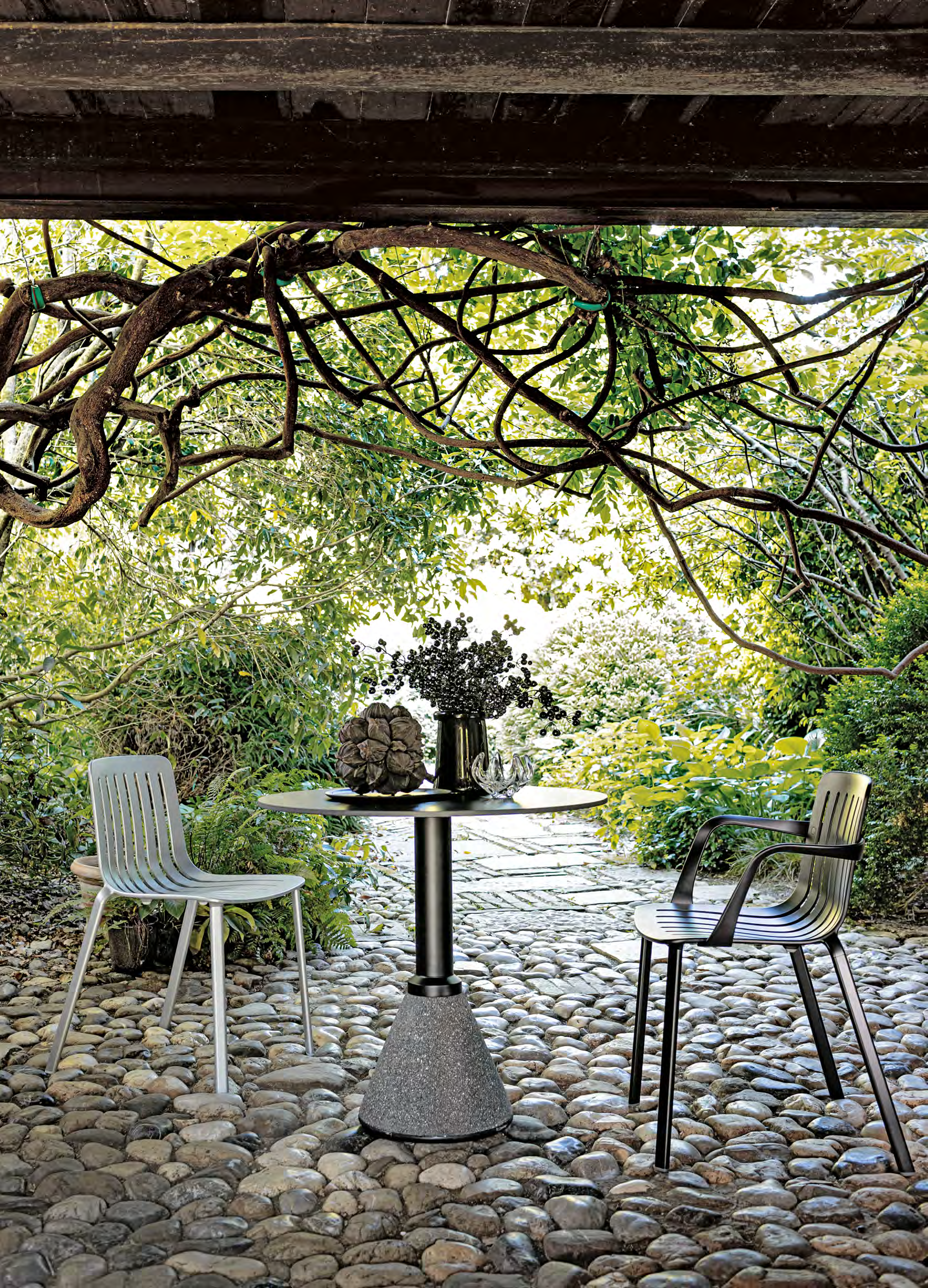
Engineering standards for high-traffic environments mandate that aluminum frames undergo rigorous testing to ensure they can withstand both load-bearing requirements and salt-spray exposure. Coastal projects, in particular, require specialized powder-coating techniques that exceed 1,000 hours of salt-spray resistance to prevent white rust and structural weakening. Failure to verify these technical data points during the early sampling phase often leads to costly, large-scale defects that are impossible to remediate once the inventory has been landed at the site.
Factory mitigation requires the implementation of a comprehensive Quality Management System (QMS) that includes multi-stage inspections at the weld, coating, and assembly steps. By requiring AQL 2.5/4.0 inspection reports before any bulk shipment is processed, buyers can catch deviations in finish consistency or frame alignment before they become systemic. Procurement takeaways should focus on documenting these quality gates as mandatory milestones in the project contract, ensuring that the manufacturer is held accountable for the final performance of the furniture.
| Component / Test | Contract-Grade Benchmark | Office Failure Mode | Standard / Gate |
|---|---|---|---|
| Height-adjust motor | ≥20,000 up/down cycles without stall, drift, or controller fault | Motor burnout or desk creep after first quarter of daily use | UL 962 / BIFMA X5.5 sit-to-stand desk endurance |
| Base casters | 60 mm nylon PA66 dual-wheel; 100,000-cycle obstacle roll without flat spots | Stem pull-out or floor scoring on VCT and carpet tile | BIFMA X5.1 base / caster obstacle course |
| Cable management raceway | Flame-retardant ABS/steel tray with UL-listed commercial wiring clearance | Loose power/data cords and non-compliant tray in open-plan fit-out | UL commercial wiring / CAL 117 tray material where required |
| Desktop static load | ≥80 kg distributed edge load without sag or delamination | Monitor arm torque causes desktop bow at panel joints | ANSI/BIFMA desk static-load protocol |
Comparing Factory-Direct OEM vs. Furniture Trading Intermediaries
The choice between a factory-direct OEM partner and a trading intermediary significantly impacts both the cost structure and the technical transparency of an outdoor furniture project. Factory-direct partners provide a direct line to the design engineers, allowing for rapid iterations and precise customization of components like backrest angles or modular seating configurations. Trading intermediaries often lack this deep technical integration, which can lead to miscommunications regarding critical specifications and longer lead times for necessary sampling cycles.
When managing large-scale fit-outs, the ability to own the tooling and control the production schedule is a vital component of risk management. Factory-direct relationships enable buyers to conduct remote or on-site audits, ensuring that the production facility maintains the required machinery and safety protocols. Conversely, trading intermediaries often aggregate orders from multiple, smaller workshops, which introduces high variance in quality, finish matching, and structural integrity across the entire project inventory.
Procurement professionals should prioritize partners who offer verifiable factory audit reports and transparent cost breakdowns that isolate labor, raw materials, and tooling amortization. By selecting an OEM manufacturer, the buyer secures a more stable supply chain and a direct point of accountability for technical issues during the development phase. The strategic advantage of this approach lies in the ability to scale production while keeping the engineering and quality standards consistent across all batches.
| Procurement Dimension | Direct OEM Factory | Trading Intermediary | Decision Gate |
|---|---|---|---|
| Unit Cost at Volume | Factory-direct baseline (lowest landed cost) | 15%–30% layered trading markup | Verify raw material BOM breakdown |
| Custom Tooling & CAD | Direct engineering team & tooling control | Limited to partner factory catalog specs | Require 3D CAD sign-off & Golden Sample |
| Sample Lead Time | 10–18 days post-finish confirmation | +7–14 days due to multi-layer routing | Bind sample approval to bulk PO deposit |
| QC & AQL Transparency | Direct line access to in-line audits (AQL 2.5) | Dependent on third-party agent reports | Mandate pre-shipment photo & video audit pack |
International Commercial Furniture Compliance and Safety Standards
Compliance with international safety standards is a non-negotiable aspect of commercial procurement that dictates the success of a project rollout. For corporate office environments, furniture must adhere to established benchmarks like BIFMA X5.5 for tables and X5.1 for seating, which ensure that items can handle the rigors of daily use in high-occupancy settings. These standards provide a baseline for load testing, stability, and durability that protects both the end-user and the property manager from liability issues.
Fire safety marks, such as CAL 117 or equivalent local standards, are critical when specifying upholstery and foam components for interior or semi-covered outdoor spaces. The use of hydrophobic, quick-dry foam and fire-retardant fabrics must be verified through third-party testing labs before production begins, as retrofitting these features after the fact is rarely feasible. Ensuring that all materials meet these safety requirements creates a robust, reliable, and compliant workspace that fulfills the duty of care expected by modern corporate stakeholders.
To mitigate compliance risks, buyers should require manufacturers to present valid test certificates for all core materials at the start of the project. This documentation serves as a critical quality gate that confirms the materials used in the production run match the samples tested in the lab. Procurement teams should include clauses in their purchase orders that mandate the use of compliant materials, with penalties for any deviation identified during pre-shipment inspections.
Illustrative Shipment Snapshots
Key metrics only — labeled illustrative scenarios for this corridor.
Coworking Terrace Fit-Out: Rapid Commercial Project Rollout
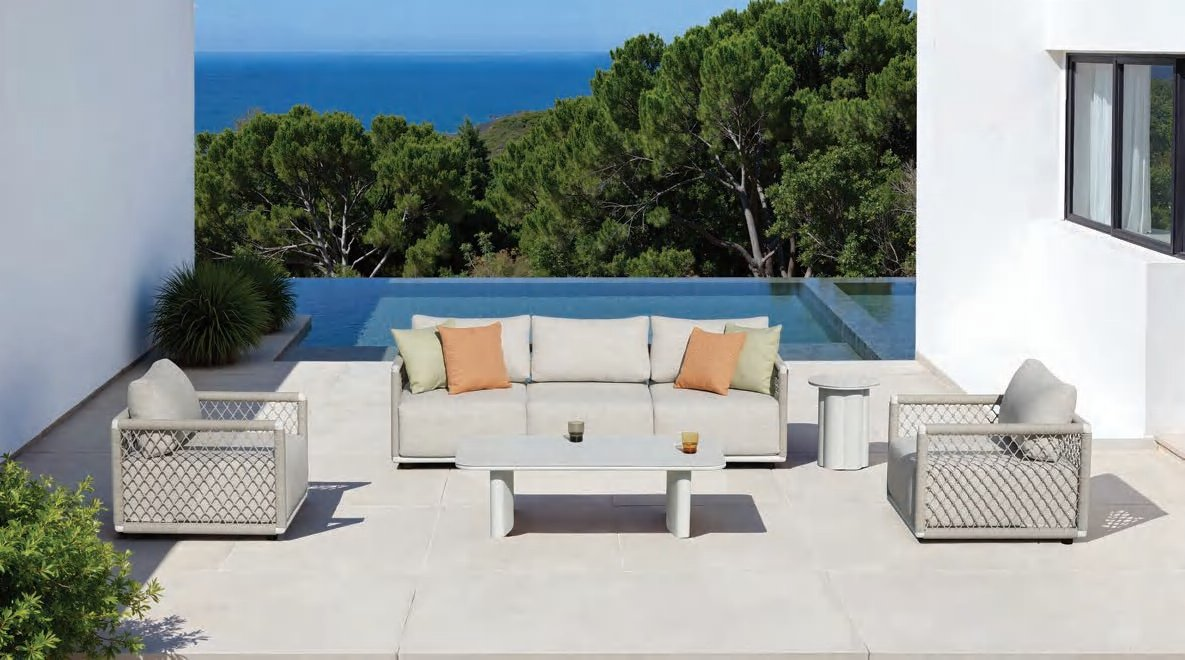
A fast-growing coworking firm needed custom outdoor seating for a high-profile terrace project. By utilizing our factory-direct KD engineering, we reduced the sample-to-bulk lead time by 15 days, ensuring the furniture arrived for the grand opening.
Corporate Campus Refresh: Custom OEM Program with MOQ Control
A corporate campus required 280 units of custom-finished outdoor lounge pieces. We managed the MOQ by consolidating fabric choices across multiple seating styles, securing a 15% cost reduction compared to smaller, fragmented orders.
Mitigating Transit Defect Rates Through Packaging Engineering
Packaging engineering is the silent guardian of furniture integrity during the transit process, especially for complex, modular outdoor pieces. When furniture is not properly prepared for the logistical journey, the risk of surface scratches, frame dents, and fabric tearing increases exponentially. A well-engineered packaging plan uses custom corrugated cardboard, protective corner blocks, and internal bracing to ensure that the product remains stationary and shielded from external pressures throughout the shipping lifecycle.
The failure mode for poorly packed furniture is often found in the structural damage to frame joints or the crushing of high-density foam cushions. To combat these risks, engineers must develop knockdown (KD) designs that allow for efficient, safe storage in shipping containers while maintaining the structural integrity of the final assembly. By performing drop and vibration tests on sample packaging, manufacturers can identify weak points and optimize the internal carton layout to minimize the impact of handling and movement during transport.
Procurement teams should require a comprehensive packaging validation report as part of the production sign-off process. This report should detail the carton dimensions, weight distribution, and the materials used for internal padding. By ensuring that every unit is protected by tested, high-quality packaging, buyers can significantly reduce the incidence of transit-related defects, thereby protecting the project budget and the final installation timeline from unexpected delays.
Structural Engineering and Flat-Pack KD Optimization for Volume Sourcing
Optimizing structural design for flat-pack shipping is a core competency for modern outdoor furniture manufacturers. By utilizing knockdown (KD) construction, firms can maximize container utilization while ensuring that the final assembly remains as rigid and durable as a fully welded piece. This requires precise CNC machining for bolt holes and the use of high-strength, corrosion-resistant hardware that can withstand the tension of repeated assembly and long-term outdoor exposure in diverse climates.
The engineering challenge lies in creating connection points that are both invisible and incredibly strong, ensuring that the furniture does not wobble or loosen over time. Designers typically use internal gussets, reinforced brackets, and high-grade stainless steel hardware to ensure that the assembly remains secure. When these engineering details are properly executed, the resulting furniture offers the same structural performance as a permanently welded unit while providing the logistical benefits of efficient, flat-packed storage and transport.
To achieve a successful KD program, buyers must collaborate with the manufacturer to define the assembly requirements for the end-user. Detailed, clear assembly instructions and the inclusion of all necessary tools are essential for a smooth site installation. Procurement teams should prioritize manufacturers who have a proven track record in KD engineering, as this expertise directly correlates with lower shipping costs, reduced transit damage, and a more efficient overall rollout for large-scale corporate projects.
The Step-by-Step International Furniture Procurement Workflow
The procurement of high-end outdoor furniture follows a structured workflow that ensures quality, consistency, and compliance at every stage of the project. First, the project scope must be finalized, including detailed floor plans, seating counts, and specific finish codes that define the aesthetic and functional requirements. This initial stage is the foundation of the entire process, where the clear communication of expectations prevents misunderstandings and aligns the manufacturer with the project’s unique goals.
Following the scope definition, the sampling phase acts as a critical gate for approval. The manufacturer produces pre-production (PP) samples that allow the buyer to verify the frame thickness, cushion comfort, and overall durability of the design. Once these samples are signed off, the bulk production phase begins, accompanied by rigorous quality inspections that ensure every piece meets the established criteria. This iterative process of testing, refining, and validating is essential for maintaining the high standards required for corporate environments.
The final steps involve professional export packing and the coordination of delivery to the site. Validating the carton design and ensuring that all environmental certifications are in place allows for a seamless arrival at the destination. By following this six-step process, procurement teams can maintain control over the entire supply chain, ensuring that the final product is delivered on time, within budget, and to the exact specifications required for the project’s success.
Project Case Study: Rapid Custom Workstation Rollout and Lead-Time Control
Managing a rapid custom rollout requires a tight coordination between the project director and the factory engineering team. In a recent corporate fit-out, the client needed a custom modular seating system that had to be designed, sampled, and produced within a compressed 12-week window. The success of this project depended on the ability of the manufacturer to quickly translate conceptual designs into technical shop drawings, allowing for immediate feedback and iterative improvements during the rapid prototype phase.
The key to meeting the aggressive schedule was the early lock-in of all fabric and frame finish codes, which prevented production bottlenecks later in the cycle. By establishing a dedicated communication channel with the lead project director, the factory was able to provide real-time updates on material procurement and production status. This transparency allowed the client to manage their site preparation work with confidence, knowing that the furniture would arrive exactly as scheduled for the final installation.
This project demonstrated that even with highly customized requirements, a well-managed OEM partnership can deliver exceptional results within a short timeframe. The proactive identification of potential risks—such as material shortages or engineering challenges—allowed the team to implement solutions before they impacted the delivery date. Procurement professionals should look for partners who can demonstrate this level of responsiveness and technical expertise, as it is the hallmark of a high-performing manufacturing relationship.
Managing Minimum Order Quantities (MOQs) and Tiered Wholesale Pricing
Minimum Order Quantities (MOQs) serve as a functional necessity for manufacturers to maintain efficiency and cost-effectiveness in their production lines. For the buyer, understanding these tiers is crucial for budget planning, as the unit price is directly tied to the scale of the order. Negotiating the right MOQ requires an honest assessment of project needs and a willingness to align on standardized finishes or components where possible to avoid the high costs associated with small-batch, custom production runs.
Tiered pricing structures allow for significant savings as the volume increases, reflecting the economies of scale achieved through longer production runs and more efficient resource utilization. When procurement teams group their requirements across multiple departments or phases, they can often unlock better wholesale rates and more favorable lead times. This strategic approach to volume management requires long-term planning, as it is often more cost-effective to order for the entire project lifecycle at once rather than in fragmented, small batches.
The successful management of MOQs and wholesale pricing relies on the early and clear communication of forecasted volumes to the manufacturer. By providing a clear project roadmap, the buyer enables the manufacturer to plan their material purchases and production capacity, resulting in more accurate pricing and a more reliable supply chain. Procurement teams should prioritize transparency about their volume targets, as this honesty is the foundation for building a long-term, mutually beneficial partnership with an OEM provider.
Decision Framework
Map MOQ tiers and SKU mix before award—mixed lounge and seating orders need aligned finish families and KD carton plans for Outdoor Furniture for Corporate.
Prototype approval (10–18 days) gates bulk production; rush awards without signed samples reset tooling and MOQ economics on Outdoor Furniture for Corporate.
Flag fire/safety marks (CAL 117, BIFMA, AS/NZS) and composite-wood TSCA evidence before production—not after export packing.
Strategic Execution Checklist for Outdoor Furniture for Corporate Office Australia
Securing the right outdoor furniture for corporate office Australia is a strategic investment in the longevity and functionality of your commercial space. By prioritizing factory-direct OEM partnerships, establishing clear material benchmarks, and rigorously adhering to sampling and QC gates, procurement teams can ensure a successful project rollout that stands the test of time. The integration of structural engineering and flat-pack KD optimization further ensures that these high-quality pieces arrive on-site in perfect condition.
Lock your commercial durability specs, approve OEM samples, and confirm all compliance documentation before authorizing bulk production. By maintaining this systematic approach, you protect your budget from the unforeseen costs of rework and replacement, ensuring that your corporate environment remains a premier destination for employees and clients alike.
Standard Operating Logistics Workflow
Project Scope & Finish Lock
Confirm floor plans, seating counts, fabric/color codes, and logo placement before sampling Outdoor Furniture for Corporate.
Commercial Spec & Sample Gate
Approve PP samples for frame wall thickness, foam density, Martindale counts, and hardware grades tied to Outdoor Furniture for Corporate.
OEM/MOQ & Pricing Confirmation
Lock MOQ tiers, tooling amortization, and volume pricing in the project award sheet for Outdoor Furniture for Corporate.
Bulk Production QC
Run weld, powder-coat, cushion, and carton QC against the signed commercial BOM before export packing.
KD Export Packing
Validate carton dims, ISPM-15 wood evidence, and 40HQ cube targets for Outdoor Furniture for Corporate KD flat-pack loads.
Destination Delivery & Install
Coordinate biosecurity filings, lift limits, and inside-delivery windows so site install dates stay intact.
Ready to ship with confidence?
Ready for a scoped proposal on your corporate project? Share your floor-plan constraints, finish codes, and target install dates with our team for a tailored OEM spec sheet.