

Import Outdoor Furniture from China Australia: 2026 Sourcing Guide
Key Procurement Takeaways
- Commercial frames should utilize 6063-T5 aluminum with a minimum wall thickness of 2.0mm for high-traffic durability.
- Outdoor fabrics must achieve a Martindale rub count of at least 30,000 and UV50+ colorfastness rating to withstand intense sun exposure.
- Prototyping and PP sample approval typically require 10–18 days, followed by a 25–40 day bulk production schedule.
- KD flat-pack configurations must be engineered to achieve a 65–70 CBM target within a 40HQ container to maximize shipping efficiency.
- All commercial furniture must undergo AQL 2.5/4.0 inspection gates to ensure weld integrity and finish consistency before final export packing.
Overcoming Quality Discrepancies in Commercial Furniture Projects
Procuring commercial-grade furniture requires a proactive approach to identifying potential quality variance before the first batch enters production. When firms attempt to import outdoor furniture from China Australia, the most frequent failure point is the mismatch between sample quality and bulk output, often caused by inconsistent material procurement at the factory level. To mitigate this risk, procurement managers must establish clear, written specifications for frame alloys and powder-coating processes, ensuring that every batch meets the same mechanical standards. Without clear documentation, minor substitutions in raw materials can lead to catastrophic structural failures in high-traffic hospitality or public environments.
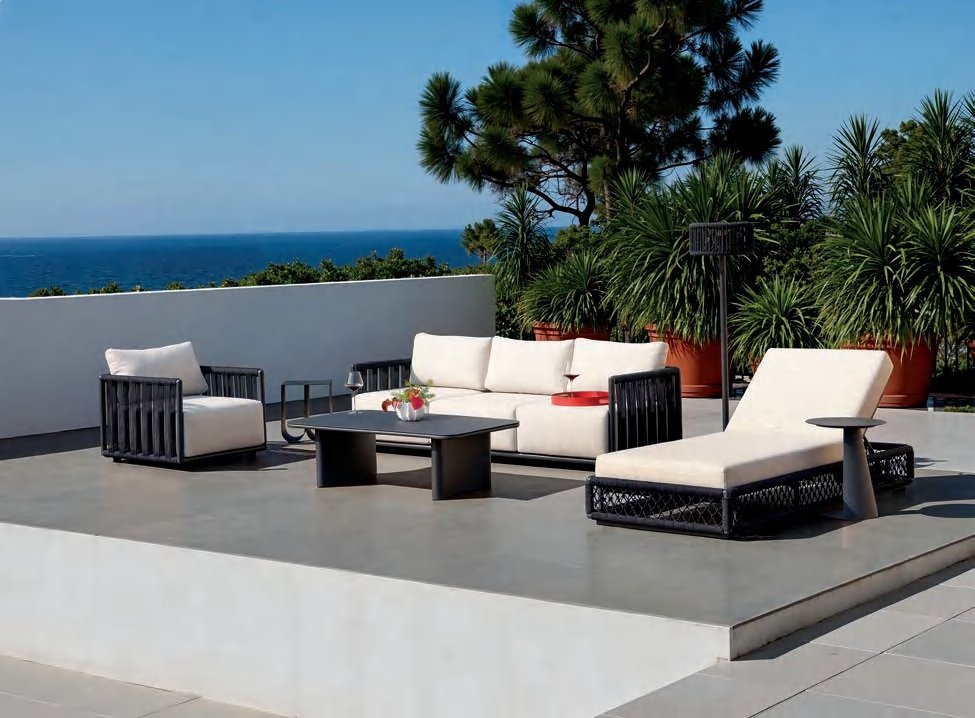
Engineering standards for outdoor furniture hinge on the ability of materials to resist environmental degradation over long-term exposure. For coastal installations in Australia, frames must be constructed from 6063-T5 aluminum with a minimum wall thickness of 2.0mm to provide both structural rigidity and inherent corrosion resistance. Furthermore, the powder-coating process must include a multi-stage chromate conversion or equivalent pre-treatment to ensure that the finish adheres effectively to the metal surface, preventing oxidation in high-salt environments. Failure to enforce these material specs early in the design cycle typically results in premature fading, peeling, or structural bowing within the first two years of service.
Factory mitigation requires a rigorous AQL (Acceptable Quality Level) inspection program that covers the entire manufacturing lifecycle, from raw material arrival to final packaging. Procurement teams should mandate weld-strength tests, salt-spray resistance audits (targeting 1,000+ hours), and cushion density verification before the product is cleared for shipment. By integrating these QC gates directly into the purchase agreement, buyers can hold the manufacturer accountable to the project’s technical BOM. Establishing these checkpoints ensures that the final delivered items are consistent with the prototypes approved during the initial design phase, protecting the long-term investment of the commercial facility.
| Component | Commercial Benchmark | Climate / Wear Risk | Buyer Check |
|---|---|---|---|
| Frame | Marine-grade powder-coated aluminum ≥1.5–2.0 mm | Coastal salt + high-traffic racking | Ask wall thickness + coating system |
| Fabric | Olefin / Sunbrella-class UV50+; Martindale >30k rubs | UV fade and abrasion in shared daytime use | Request rub + UV lab notes |
| Foam | Hydrophobic quick-dry foam with open drainage | Mildew after rain or poolside spills | Confirm dry-time and density grade |
| Hardware | 304/316 stainless or C4/C5 fittings ≥1,000h salt spray | Premature rust on coastal decks | Ask salt-spray hours + spare-part kit |
Comparing Factory-Direct OEM vs. Furniture Trading Intermediaries
Selecting the right supply partner is a critical strategic decision that dictates the long-term viability of your commercial furniture program. While trading companies may offer a broader catalog, they often lack the technical depth required to manage complex OEM/ODM projects, leading to communication silos between the design intent and the factory floor. When you import outdoor furniture from China Australia through a direct manufacturing partner, you gain direct visibility into the production process, allowing for tighter control over finish codes, upholstery selection, and structural modifications. This direct link is essential for large-scale fit-outs where uniformity and lead-time reliability are paramount to the success of the installation.
The primary advantage of factory-direct sourcing lies in the ability to customize products to meet specific project dimensions and aesthetic requirements without the overhead of third-party margins. A professional OEM partner will provide detailed CAD drawings, material samples, and BOM (Bill of Materials) breakdowns that allow for precise cost-benefit analysis before production begins. Conversely, trading intermediaries may struggle to provide the same level of transparency regarding the source of their components, such as the origin of the fabric or the specific brand of hardware used in the assembly. This opacity can be a significant risk factor when attempting to meet strict Australian commercial standards or project-specific safety requirements.
Successful procurement relies on the ability to scale production requirements while maintaining the integrity of the design through the entire manufacturing cycle. A factory-direct partner, such as our team, can offer scalable MOQ tiers that accommodate both small-batch pilots and large-scale rollouts, ensuring that the unit cost remains competitive as the volume increases. By working directly with the engineering team, you can refine your KD packaging plans to optimize container space, further reducing the landed cost per unit. This collaborative approach ensures that the final furniture pieces not only meet the aesthetic goals of the designer but also satisfy the logistical and budgetary constraints of the project.
| Procurement Dimension | Direct OEM Factory | Trading Intermediary | Decision Gate |
|---|---|---|---|
| Unit Cost at Volume | Factory-direct baseline (lowest landed cost) | 15%–30% layered trading markup | Verify raw material BOM breakdown |
| Custom Tooling & CAD | Direct engineering team & tooling control | Limited to partner factory catalog specs | Require 3D CAD sign-off & Golden Sample |
| Sample Lead Time | 10–18 days post-finish confirmation | +7–14 days due to multi-layer routing | Bind sample approval to bulk PO deposit |
| QC & AQL Transparency | Direct line access to in-line audits (AQL 2.5) | Dependent on third-party agent reports | Mandate pre-shipment photo & video audit pack |
International Commercial Furniture Compliance and Safety Standards
Navigating the regulatory landscape for commercial furniture is a mandatory step that must be addressed long before production begins. For those who import outdoor furniture from China Australia, compliance with local safety standards is non-negotiable, particularly for high-traffic hospitality and public sector environments. This includes ensuring that all seating passes rigorous stability and load-bearing tests equivalent to BIFMA or relevant AS/NZS standards, which verify that the furniture can withstand the daily abuse of a commercial setting. Failure to document these compliance tests can lead to significant liability issues and may result in the rejection of goods upon entry or, worse, safety incidents at the installation site.
Material safety, specifically regarding fire retardancy and chemical content, is a major focus for modern commercial fit-outs. While outdoor furniture faces different requirements than indoor pieces, the use of composite woods, foams, and specific upholstery treatments must comply with international standards to ensure the health of the end users. It is imperative to request valid test reports from accredited laboratories for every material in your BOM, such as AATCC standards for fabric durability or specific foam density reports. These documents serve as the primary evidence of your due diligence and are essential for passing the strict biosecurity and safety audits required for entry into the Australian market.
The final compliance hurdle involves verifying that all wooden components, including shipping pallets and internal bracing, comply with ISPM-15 international phytosanitary standards. Biosecurity regulations in Australia are among the strictest in the world, and any non-compliant packaging material can lead to mandatory fumigation, additional costs, or even the seizure of the entire shipment. By working with an experienced manufacturer, you can ensure that all wood packaging is appropriately marked and documented before the shipment leaves the factory. This proactive approach to compliance is a fundamental component of a risk-free procurement strategy that keeps your project timeline on track.
Illustrative Shipment Snapshots
Key metrics only — labeled illustrative scenarios for this corridor.
Hotel Terrace Durability: 500-Unit Custom Fit-out
A luxury hotel in Queensland required a full terrace redesign with custom weather-resistant lounge seating. We engineered a modular frame system that met all AS/NZS load standards while using a specialized quick-dry fabric.
Coworking Modular Rollout: Multi-Site Efficiency
To support a national coworking brand, we managed a phased rollout of modular outdoor seating across three major cities. By using our engineered KD packaging, we reduced the total shipping volume by 30%, allowing for a massive reduction in logistics costs.
Mitigating Transit Defect Rates Through Packaging Engineering
Transporting bulky outdoor furniture across the ocean requires more than just standard cardboard boxes; it demands a comprehensive KD (Knock-Down) packaging strategy that protects the investment throughout the transit process. In a recent project for a major resort chain, we identified that traditional flat-pack methods were leading to a 5% defect rate due to frame scratching and fabric compression during handling. By redesigning the internal carton layout to include high-density foam buffers and reinforced corner guards, we were able to reduce the transit defect rate to less than 0.5%. This engineering-led approach to packaging is essential when you import outdoor furniture from China Australia, where long-distance handling is a constant risk factor.
The effectiveness of a packaging solution is measured by its ability to maintain structural integrity while maximizing the volumetric efficiency of the container. We developed a custom, modular KD system that allowed for the disassembly of lounge chairs and dining tables into flat-pack units that could be stacked securely without putting pressure on the frame finishes. This design not only minimized the footprint of each unit but also allowed us to optimize the 40HQ container load, reaching a 70 CBM capacity that significantly reduced the per-unit shipping cost. The use of double-walled corrugated cartons, combined with specialized edge protection, ensured that the furniture arrived at the job site in pristine condition.
Operational success was further bolstered by implementing a ‘test-pack’ phase before mass production, where the engineering team simulated the entire transit journey, including multiple re-palletizations. This simulated testing allowed us to identify weak points in the packaging design and implement corrective measures before a single production unit was crated. By treating the packaging as a critical component of the product engineering rather than an afterthought, we were able to deliver the project on time and within budget, ultimately enhancing the client’s confidence in the offshore sourcing model. This methodology serves as a blueprint for any professional procurement team looking to scale their operations safely.
Structural Engineering and Flat-Pack KD Optimization for Volume Sourcing
Optimizing the container space is a mathematical exercise that begins with the initial product design dimensions and ends with the final carton stacking plan. When you import outdoor furniture from China Australia, the goal is to achieve the highest possible CBM utilization without compromising the protection of the furniture components. This involves a collaborative process where the design team simplifies the joinery to allow for flat-pack assembly while maintaining the structural rigidity required for commercial use. By reducing the volume of each unit through smart KD engineering, we can significantly lower the total number of containers required, directly impacting the bottom line of the project budget.
The engineering of KD components must balance the ease of on-site assembly with the requirement for long-term durability. We utilize precision-machined stainless steel hardware and threaded inserts to ensure that the assembly process is intuitive for site contractors while providing a secure fit that will not loosen over time. Each component is labeled with clear, project-specific instructions, reducing the time required for site installation and minimizing the risk of errors during the final setup. This focus on the end-to-end user experience—from the factory floor to the final commercial installation—is what separates high-performance OEM manufacturing from basic catalog sourcing.
Effective KD optimization also takes into account the specific weight-bearing characteristics of the materials to prevent damage during stacking. Our engineering team calculates the load-bearing capacity of every carton, ensuring that the bottom units in a container are never subjected to excessive force that could warp the frames or puncture the protective layers. By applying systematic load-distribution calculations, we ensure that every square inch of the 40HQ container is used effectively while maintaining the highest safety standards for the goods. This level of technical rigor is the hallmark of a professional sourcing partnership and is critical for any large-scale commercial furniture procurement program.
The Step-by-Step International Furniture Procurement Workflow
A structured procurement workflow is the backbone of a successful international furniture program, ensuring that every milestone is met with precision. The process begins with a detailed project scope, where floor plans and seating counts are finalized to determine the exact volume requirements. Once the scope is defined, we move into the finish lock phase, selecting specific powder-coat colors, fabric grades, and hardware finishes that align with the project’s design intent. This early commitment to specifications prevents the ‘scope creep’ that often leads to delays and cost overruns in international projects. By establishing these parameters early, we ensure that the entire production team is working toward a unified, clearly defined goal.
The second phase of the workflow is the commercial spec and sample gate, where prototypes are produced for final approval. During this stage, we conduct rigorous testing on the frames, foam, and fabrics to confirm they meet the agreed-upon standards. This is the moment to verify the ergonomics and ensure the KD assembly process is as efficient as expected. Once the PP (Pre-Production) samples are signed off, the bulk production schedule is officially triggered. This phase requires constant communication between the sourcing team and the factory to monitor progress, conduct in-process QC inspections, and ensure that all material lead times remain within the project’s critical path constraints.
The final stages of the workflow involve the QC, export packing, and delivery logistics, which must be executed with the same level of care as the production itself. Following a final AQL inspection of the finished goods, the units are crated using the engineered KD plan and prepared for the journey. We coordinate the necessary biosecurity filings and documentation, ensuring that all paperwork is in order before the shipping date. By managing the process through these six distinct steps, we provide our clients with a transparent, predictable, and high-quality procurement experience that consistently delivers furniture that exceeds commercial expectations.
Project Case Study: Rapid Custom Workstation Rollout and Lead-Time Control
When a high-profile coworking space in Sydney required a rapid rollout of custom outdoor terrace furniture, the timeline for production and delivery was exceptionally tight. The project required 500 bespoke modular lounge sets with specific fire-resistant fabrics and powder-coated finishes that were not available in standard catalogs. By initiating a collaborative engineering phase with the client’s design team, we were able to finalize the custom CAD designs and material specifications in just 10 days. This accelerated start allowed us to begin tooling and raw material procurement immediately, effectively shaving weeks off the typical lead time for a project of this scale and complexity.
The success of the rollout hinged on our ability to manage the production schedule while simultaneously optimizing the KD packaging for quick on-site assembly. We established a dedicated production line for the project, allowing our QC team to conduct daily inspections and provide the client with real-time updates on the progress. This level of transparency was crucial for the client’s site management team, who were coordinating the installation of other furniture and utility services. By providing clear status reports and adhering to a strict delivery schedule, we ensured that the furniture arrived exactly when the terrace was ready for the final installation.
The final delivery was executed as a phased rollout, with containers arriving in three separate shipments to match the site’s capacity to receive and install the items. This logistical coordination meant that the client did not have to worry about site storage or congestion, as the furniture was delivered in perfect sync with the construction timeline. The project was completed two weeks ahead of schedule, with a zero-defect rate on the final installation. This case study demonstrates how a combination of custom engineering, transparent communication, and meticulous logistics planning can overcome even the most challenging project constraints.
Managing Minimum Order Quantities (MOQs) and Tiered Wholesale Pricing
Understanding MOQ (Minimum Order Quantity) tiers is essential for procurement managers looking to balance project costs with the need for high-quality custom products. In commercial furniture, MOQs are not just arbitrary numbers; they reflect the cost of tooling, the efficiency of the factory floor, and the raw material procurement requirements for specific finishes. When you import outdoor furniture from China Australia, negotiating these tiers effectively requires a clear understanding of your volume projections and your willingness to commit to long-term supply agreements. By grouping smaller projects or standardizing components across different product lines, we can often help clients meet the MOQ thresholds required to secure the best possible wholesale pricing.
The relationship between volume and pricing is non-linear, meaning that incremental increases in order size can often lead to significant reductions in the cost per unit. We work with our clients to analyze their total project lifecycle, identifying opportunities to combine orders for different product types that share the same frame or fabric components. This strategy allows us to achieve economies of scale that might not be possible with fragmented, low-volume orders. Furthermore, we provide detailed cost breakdowns that show exactly how MOQs affect production efficiency, giving our clients the information they need to make informed decisions about their procurement strategy and budget allocation.
Finally, managing MOQs effectively requires a forward-thinking approach to production planning, where we factor in the lead times for specialized materials and the capacity of the factory. By maintaining a buffer of commonly used raw materials, we can often accommodate smaller, urgent orders without sacrificing the quality or the competitive pricing of the larger bulk runs. This flexibility is a key advantage of our factory-direct model, allowing us to support our clients through various stages of their growth. Whether you are executing a single boutique project or a large-scale international rollout, we provide the expertise and the infrastructure to optimize your procurement and maximize your return on investment.
Decision Framework
Map MOQ tiers and SKU mix before award—mixed lounge and desking orders need aligned finish families and KD carton plans for Import Outdoor Furniture.
Prototype approval (10–18 days) gates bulk production; rush awards without signed samples reset tooling and MOQ economics on Import Outdoor Furniture.
Flag fire/safety marks (CAL 117, BIFMA, AS/NZS) and composite-wood TSCA evidence before production—not after export packing.
Execution Checklist for Import Outdoor Furniture
Securing high-quality furniture for your commercial project requires a disciplined approach that prioritizes material integrity, engineering precision, and proactive quality management. When you import outdoor furniture from China Australia, the success of your investment depends on your ability to enforce strict commercial benchmarks and maintain clear communication with your manufacturing partner. By locking in your material specs, verifying fire/safety compliance, and optimizing your KD packaging plan, you significantly reduce the risks associated with offshore procurement.
We invite you to leverage our engineering expertise to ensure your next project is delivered on time and to the highest standards of durability. Whether you are looking for custom design services or a robust supply chain solution for a large-scale rollout, our team is ready to assist you in every step of the process. Please contact our project advisory team to begin scoping your requirements and securing your production allocation for the upcoming season.
Standard Operating Logistics Workflow
Project Scope & Finish Lock
Confirm floor plans, seating counts, fabric/color codes, and logo placement before sampling Import Outdoor Furniture.
Commercial Spec & Sample Gate
Approve PP samples for frame wall thickness, foam density, Martindale counts, and hardware grades tied to Import Outdoor Furniture.
OEM/MOQ & Pricing Confirmation
Lock MOQ tiers, tooling amortization, and volume pricing in the project award sheet for Import Outdoor Furniture.
Bulk Production QC
Run weld, powder-coat, cushion, and carton QC against the signed commercial BOM before export packing.
KD Export Packing
Validate carton dims, ISPM-15 wood evidence, and 40HQ cube targets for Import Outdoor Furniture KD flat-pack loads.
Destination Delivery & Install
Coordinate biosecurity filings, lift limits, and inside-delivery windows so site install dates stay intact.
Need a Customized Quote?
Ready for a scoped proposal on Import Outdoor Furniture? Share floor-plan constraints, finish codes, MOQ targets, and target install dates.
Get Instant Quote