

Scaling Your Brand with a Top Office Furniture OEM Factory in 2026
Wholesalers and furniture suppliers in 2026 face intense pressure to deliver innovative, cost-effective workspace solutions. Finding a reliable office furniture OEM factory is the primary step to securing a competitive edge in the global market. This guide provides actionable insights for B2B enterprises to optimize their sourcing and manufacturing partnerships.
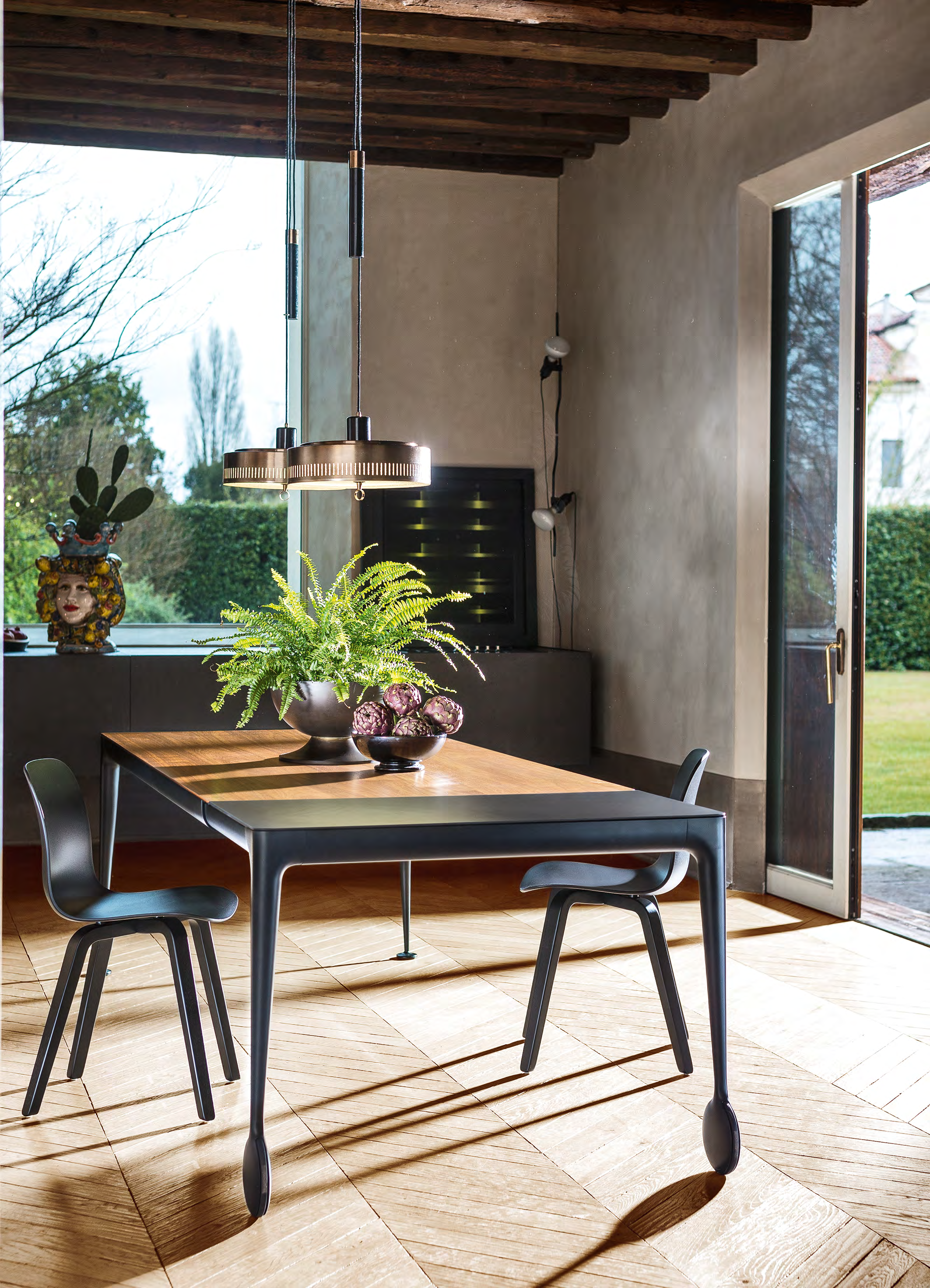
Critical Selection Criteria for an Office Furniture OEM Factory
Choosing a manufacturing partner requires a deep dive into their technical infrastructure and workforce expertise. In 2026, the best factories utilize automated assembly lines to ensure consistency across thousands of units.
B-end buyers must prioritize facilities that offer scalable solutions to handle seasonal demand spikes without compromising on lead times.
| Feature | Standard OEM | Custom OEM | Modular OEM |
|---|---|---|---|
| Lead Time | 4-6 Weeks | 8-12 Weeks | 6-8 Weeks |
| MOQ Requirement | High | Medium | Flexible |
| Design Control | Limited | Full | Partial |
Evaluating High-Volume Production Capacity
A professional factory must demonstrate the ability to manage high-volume furniture production while maintaining strict tolerances. Ask for monthly output statistics and equipment lists to verify their claims.
Modern factories in 2026 use AI-driven scheduling to minimize downtime and ensure your orders remain on track.
Assessing Research and Development Capabilities
Your partner should not just follow blueprints but offer proactive design improvements for ergonomic chair manufacturing. Strong R and D teams help you stay ahead of workspace trends and ergonomic regulations.
Look for factories that invest in rapid prototyping to speed up the time-to-market for your custom designs.
Optimizing B2B Sourcing for Better Profit Margins
Cost management in 2026 involves more than just negotiating the unit price of a desk or chair. It requires a holistic view of the supply chain and manufacturing efficiency.
Successful wholesalers leverage B2B furniture manufacturing solutions to reduce waste and improve their bottom line.
Streamlining Bulk Furniture Sourcing 2026
Consolidating your orders with a single office furniture OEM factory can lead to significant logistics savings. Bulk sourcing allows for better container utilization and reduced shipping costs per unit.
In 2026, digital tracking tools allow you to monitor your bulk shipments in real-time from the factory floor to your warehouse.
Leveraging Advanced Manufacturing Technology
The integration of CNC machining and robotic welding has revolutionized custom office desk production. These technologies reduce labor costs and eliminate human error in complex assembly tasks.
Partnering with a tech-forward factory ensures that your products meet the high precision standards required for modern office environments.

Customization and Private Labeling Strategies
Building a unique brand identity is essential for wholesalers looking to differentiate themselves in a crowded market. Private labeling allows you to sell factory-standard products under your own corporate identity.
Customization options in 2026 range from simple logo placement to complete structural redesigns.
Developing Private Label Office Chairs
Private labeling gives you control over the branding and perceived value of your seating solutions. Work with your office furniture OEM factory to select unique upholstery fabrics and finishes that align with your brand.
This strategy helps you build customer loyalty and protects your margins from direct price comparisons with generic products.
Innovating with Modular Office Systems OEM
Modular office systems are in high demand for 2026 as businesses seek flexible workspace configurations. OEM partners can provide interchangeable components that allow your customers to scale their offices easily.
Offering modularity increases the lifecycle of the product and encourages repeat business from growing enterprises.
Maintaining Furniture Quality Control Standards
Quality is the foundation of any long-term B2B relationship in the furniture industry. Rigorous testing ensures that every piece of commercial workspace furniture can withstand daily use in high-traffic environments.
Suppliers must insist on transparency regarding the factory’s internal audit processes.
Implementing Rigorous Quality Control Protocols
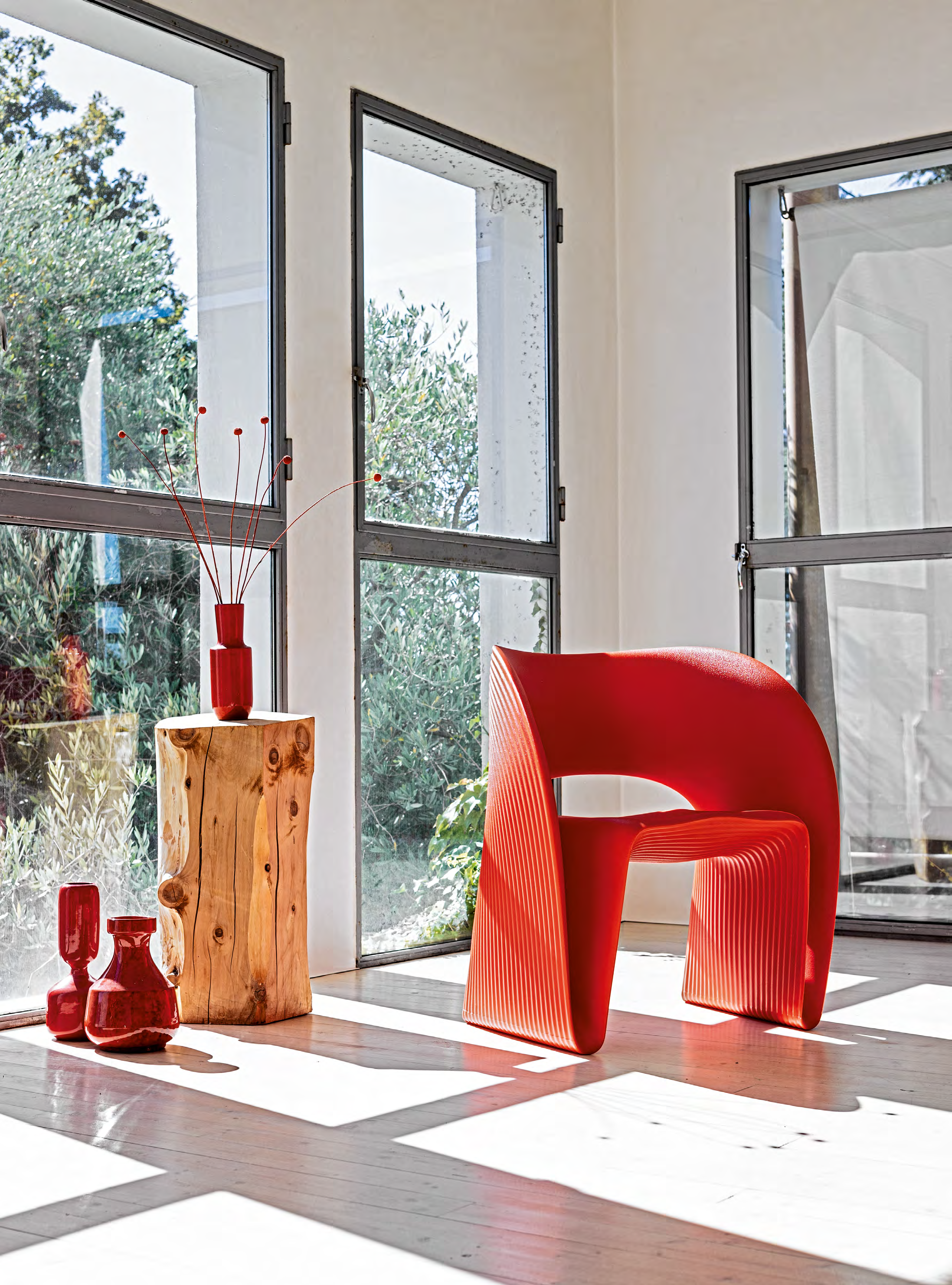
A reliable office furniture OEM factory should have multi-stage inspection points, from raw material arrival to final packaging. These protocols prevent defective units from reaching your customers and reduce return rates.
Request detailed QC reports for every batch to ensure consistency and professional accountability.
Ensuring Compliance with International Safety Standards
Compliance with BIFMA and ISO standards is non-negotiable for commercial furniture in 2026. These certifications verify the safety, durability, and sustainability of your products for global markets.
Ensure your factory partner maintains up-to-date documentation for all relevant international safety certifications.
Secure Your Supply Chain Success
Selecting the right office furniture OEM factory is a strategic decision that impacts your brand’s growth and profitability. By focusing on production capacity, customization, and quality control, you can build a resilient supply chain for 2026.
Invest in a partnership that offers the technological edge and scalability required to lead the modern workspace market.
Ready to streamline your logistics?
Ready to scale your furniture brand in 2026? Contact our specialist team today to discuss your custom manufacturing needs and request a quote. Visit our website to view our latest B2B catalog.
Frequently Asked Questions
What is the typical lead time for an office furniture OEM factory in 2026?
Standard lead times range from 4 to 8 weeks depending on the complexity of the order. Custom designs or private label office chairs may require 10 to 12 weeks for production and testing.
What are the Minimum Order Quantities for custom office desk production?
MOQs vary by factory but generally start at 50 to 100 units for standard designs. Highly customized modular office systems may require higher volumes to justify tooling costs.
How can I verify the quality control standards of a B2B furniture partner?
Request ISO and BIFMA certification documents and ask for a detailed description of their multi-stage inspection process. On-site or third-party audits are highly recommended before signing long-term contracts.
Does the factory provide sustainable office furniture supply options?
Most leading OEM factories in 2026 offer FSC-certified wood, recycled plastics, and low-VOC finishes. Confirm these options during the initial design phase to meet environmental regulations.
Can I request prototypes before starting high-volume furniture production?
Yes, professional factories encourage prototyping to ensure the design meets your specifications. This step is crucial for identifying potential issues before mass assembly begins.
What payment terms are standard for B2B furniture manufacturing solutions?
Common terms involve a 30 percent deposit with the balance due upon shipment or after a successful QC inspection. Some established factories offer flexible credit terms for long-term partners.
How do factories handle shipping and logistics for bulk furniture sourcing?
Most factories offer FOB or CIF terms and can coordinate with your freight forwarders. Advanced factories provide container loading optimization to maximize space and reduce costs.