

B2B Guide: How to Import Outdoor Furniture from China to Canada 189 Effectively
Canadian wholesalers and retailers face increasing pressure to provide high-quality patio furniture at competitive prices. Importing directly from Chinese manufacturers offers a strategic advantage to scale your business and improve profit margins. This guide provides a comprehensive roadmap for navigating the complexities of the China-to-Canada supply chain.
Navigating the Chinese Sourcing Market for Outdoor Furniture
China remains the global hub for outdoor furniture production, offering unparalleled variety and manufacturing capacity. B2B buyers must focus on regions like Guangdong and Zhejiang for the best selection.
Identifying Reliable OEM and ODM Manufacturers
Look for suppliers with a proven track record of exporting to North America. Verify their ISO certifications and request factory audit reports to ensure they meet international quality standards.
Choosing an ODM manufacturer allows you to leverage existing designs, while OEM partners provide the flexibility for custom branding and unique product specifications.
Selecting Materials for the Canadian Climate
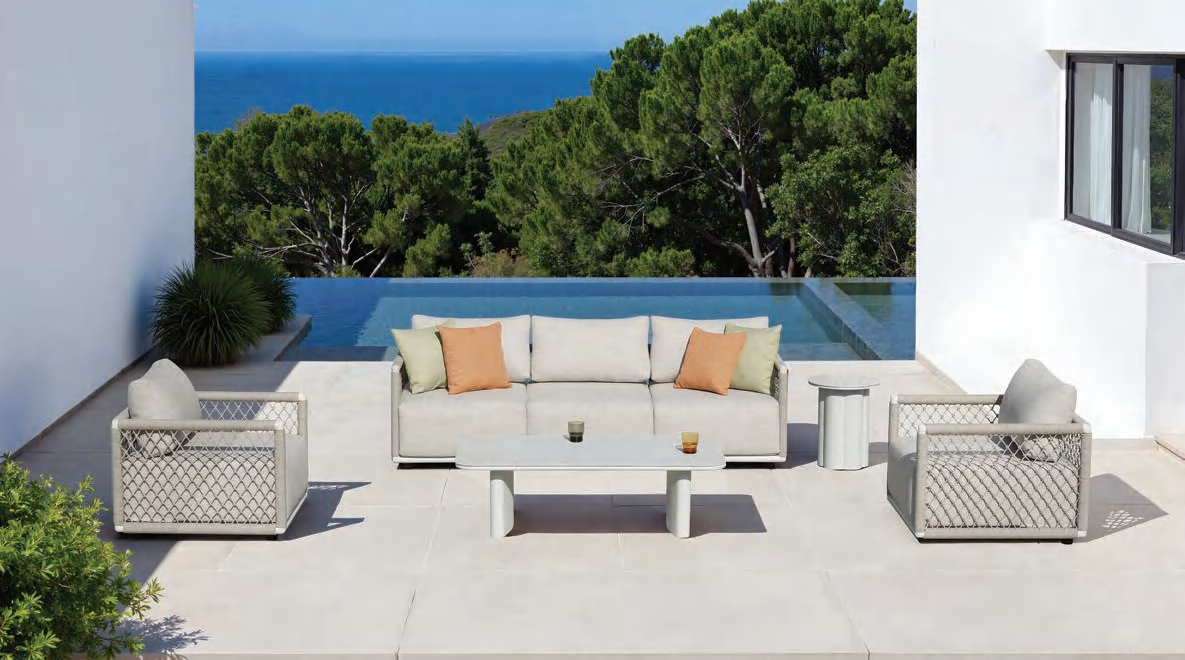
Outdoor furniture in Canada must withstand extreme temperature fluctuations and heavy precipitation. Prioritize materials like powder-coated aluminum, high-density polyethylene (HDPE), and Grade A teak.
Ensure that all fabrics used for cushions are UV-resistant and water-repellent. Brands like Sunbrella are highly valued by Canadian consumers for their durability and longevity.
Logistics and Freight Management to Canadian Ports
Efficient logistics are critical for maintaining the profitability of your import operations. Understanding the transit routes from major Chinese ports to Canada is essential for lead time planning.
Ocean Freight Strategies for Bulk Shipments
Full Container Loads (FCL) are the most cost-effective option for large-scale wholesalers. This method reduces the risk of damage as the container is dedicated solely to your shipment.
For smaller B2B enterprises, Less than Container Load (LCL) allows you to share space with other importers. This is ideal for testing new product lines without committing to high volumes.
Managing Inland Transportation and Warehousing
Once the shipment reaches ports like Vancouver or Prince Rupert, it must be transported inland via rail or truck. Intermodal transport is often the most efficient way to reach hubs like Toronto and Montreal.
Consider using a third-party logistics (3PL) provider with bonded warehouse capabilities. This allows you to store goods and defer duty payments until the products are ready for final distribution.
Regulatory Compliance and Customs Documentation
Navigating the legal requirements of the Canada Border Services Agency (CBSA) is vital for a smooth import process. Accurate documentation prevents costly delays and potential fines.
| Shipping Method | Transit Time | Cost Level | Best For |
|---|---|---|---|
| Sea Freight (FCL) | 25 to 40 Days | Low | Bulk Wholesale Orders |
| Sea Freight (LCL) | 30 to 45 Days | Medium | Small Batch Testing |
| Air Freight | 5 to 10 Days | High | Urgent Samples |
Understanding the 189 Import Classification and Duties
The 189 classification relates to specific customs brokerage entries and tariff treatments for commercial goods. Ensure your customs broker uses the correct Harmonized System (HS) codes for outdoor furniture.
Be aware of any anti-dumping duties that may apply to specific categories of furniture from China. Proper classification ensures you pay the correct amount of duty and avoid audit complications.
Complying with Canada Consumer Product Safety Act
All imported furniture must meet the safety standards outlined in the CCPSA. This includes regulations regarding structural stability, lead content in coatings, and flammability of textiles.
Request comprehensive testing reports from your Chinese suppliers before finalizing the order. Maintaining a compliance file is a mandatory requirement for B2B importers in Canada.
Optimizing Your Supply Chain for Maximum Profit
Scaling your import business requires a focus on quality control and strategic financial management. Building strong relationships with Chinese partners is the key to long-term success.
Implementing Pre-Shipment Inspections
Never skip the inspection phase when dealing with bulk outdoor furniture orders. Hire a third-party inspection agency to verify the quality and quantity of the goods at the factory.
Check for finish consistency, hardware completeness, and packaging durability. Identifying issues before the container leaves China saves significant time and money on returns.
Negotiating Payment Terms and MOQs
Effective negotiation can significantly improve your cash flow. Aim for a 30 percent deposit and 70 percent balance payment upon presentation of the Bill of Lading.
Discuss Minimum Order Quantities (MOQs) with your factory to balance inventory levels. Many suppliers are willing to lower MOQs if you commit to a regular ordering schedule.
Achieving Success in the Canadian Outdoor Furniture Market
Importing outdoor furniture from China to Canada 189 is a lucrative opportunity for B2B enterprises that prioritize quality and compliance. By selecting the right manufacturers and optimizing your logistics, you can offer superior value to your customers.
Stay informed about changing trade regulations and continue to refine your supply chain. With a disciplined approach to sourcing and customs management, your business can thrive in the competitive Canadian market.
Start Your Shipment
Ready to streamline your B2B sourcing? Contact our logistics experts today for a customized quote on your next shipment of outdoor furniture from China to Canada. Visit our website to learn more about our end-to-end supply chain solutions.
Request Quote